How Does a Reverse Mortgage Work in California?
A reverse mortgage lets an older California homeowner turn part of their home equity into cash without a monthly mortgage payment — while keeping the title and living in the home. Instead of you paying the lender each month, the balance is repaid later, typically when the last borrower sells, moves out, or passes away. You stay responsible for property taxes, homeowners insurance, and upkeep, and independent counseling is required before you can move forward.
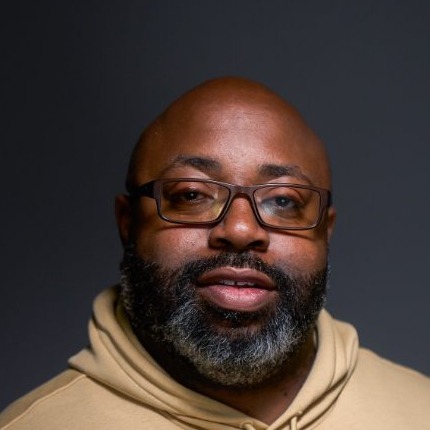
I'm a licensed California loan officer, and reverse mortgages are widely misunderstood, so here's the honest, plain version of how they actually work — what you get, what you keep, and what you're still on the hook for.
The basics, in plain terms
You've spent years building equity in your home. A reverse mortgage lets you draw on that equity as cash, and because there's no required monthly mortgage payment, it can ease cash flow in retirement. The trade-off is that the loan balance grows over time instead of shrinking, and it gets repaid down the road from the home's value.
| What happens | |
|---|---|
| Your monthly mortgage payment | Goes away — there's no required monthly mortgage payment |
| Your home's title | Stays in your name — you remain the owner |
| Taxes, insurance, upkeep | Still your responsibility — the loan can become due if these lapse |
| Existing mortgage | Paid off first from the proceeds, which is how the payment goes away |
| Repayment | Happens when the last borrower sells, permanently moves out, or passes away |
Two kinds of reverse mortgage
- HECM — the federally insured Home Equity Conversion Mortgage, for homeowners 62 and older. It's insured by the FHA.
- Proprietary (jumbo) — private programs such as HomeSafe, available in California from age 55, designed for higher-value homes above the HECM lending limit. These are not FHA-insured. See jumbo reverse mortgages in California.
Which one fits depends on your age, your home's value, and your goal — a lump sum, monthly amounts, or a line of credit. The amount you can access is based on the age of the youngest borrower, your home's value, and the program.
Who qualifies in California
- The youngest borrower is generally 62+ (HECM) or 55+ (certain proprietary programs).
- The home is your primary residence — where you live most of the year.
- You have meaningful equity, and you can keep up with property taxes and insurance (a financial assessment confirms this).
Counseling and protections
Before any reverse mortgage closes, you complete a session with an independent counselor, and a list of HUD-approved counseling agencies is provided. It's there to make sure the decision fits your situation — and you're welcome to include your family in the conversation. Weighing it against a line of credit instead? Compare a reverse mortgage vs a HELOC.
Wondering if a reverse mortgage fits?
See where you stand in about 2 minutes — no obligation, and no credit is pulled to check your options.
See if I qualify →Rather just talk it through? Call or text me — (323) 886-7676
Educational only, not an offer or commitment to lend.Frequently asked questions
Do you make monthly payments on a reverse mortgage?
No — there's no required monthly mortgage payment. You do remain responsible for property taxes, homeowners insurance, and home maintenance, and the loan can become due if those go unpaid. The balance itself is repaid later, when the last borrower sells, moves out, or passes away.
Do you still own your home with a reverse mortgage?
Yes. You keep the title and remain the owner. The reverse mortgage is a lien against the home, like any mortgage — it doesn't transfer ownership to the lender.
How old do you have to be for a reverse mortgage in California?
Generally 62 for a federally insured HECM, or as young as 55 for certain proprietary programs such as HomeSafe in California. Eligibility goes by the age of the youngest borrower.
How is a reverse mortgage repaid?
From the home, typically when the last borrower sells, permanently moves out, or passes away. Your heirs can repay the balance and keep the home, or sell it and keep any remaining equity.
Does a reverse mortgage require counseling?
Yes — independent counseling is required before closing, and you'll be given a list of HUD-approved counseling agencies. It's a consumer protection designed to make sure the loan fits your needs.
Is a reverse mortgage a government program?
No. A HECM is insured by the FHA, but a reverse mortgage is a loan from a private lender, not a government benefit or program, and proprietary programs like HomeSafe are not government-insured at all.
See if a reverse mortgage fits your situation
It takes about 2 minutes with no obligation — I'll personally review it and walk you (and your family) through your options.
See if I qualify →Rather just talk it through? Call or text me — (323) 886-7676
Educational only, not an offer or commitment to lend.Last reviewed June 24, 2026, by Kelvin Craver, Licensed Mortgage Loan Originator (NMLS #2009272). Educational information only — not financial advice, an offer, or a commitment to lend.